Basmati and jasmine are both aromatic long-grain rices, but they cook and eat differently. Importers should compare origin, grain length, aroma, texture and the specification their customers expect.
Quick comparison
- Basmati: firm, separate grains with a nutty aroma. Common in biryani, pilaf and South Asian cooking.
- Jasmine: softer, slightly sticky grains with a floral aroma. Common in Thai and Southeast Asian cooking.
- Both: long-grain aromatic rice, sold in different grades and purity levels.
What is basmati rice?
Basmati is an aromatic long-grain rice associated with India and Pakistan. It is valued for firm cooked grains that stay separate. Buyers usually ask for the variety or origin, grain length, broken percentage and ageing.
Do not assume that every long-grain rice sold as “basmati” has the same origin or grade. Confirm the actual supply and specification before you compare prices.
What is jasmine rice?
Jasmine rice is an aromatic long-grain rice associated with Thailand. It cooks softer and slightly stickier than basmati. Buyers often choose it for retail packs, restaurants and Southeast Asian dishes.
Indonesian fragrant rice can also be offered. If your market expects Thai jasmine, confirm the origin and variety in writing.
Key differences buyers compare
- Aroma: basmati is nutty; jasmine is floral.
- Cooked texture: basmati stays firm and separate; jasmine is softer and clings slightly.
- Origin: confirm the country and variety for the lot you buy.
- Grain length and broken percentage.
- Price and available grade for your market.
Specifications to confirm
- Variety and origin.
- Grain length and broken percentage.
- Moisture and foreign matter.
- Milling degree and colour.
- Packing, net weight and private-label requirements.
- Testing or certification required by your market.
Which one fits your market?
Choose basmati when your customers expect firm, separate grains for biryani, pilaf or South Asian menus. Choose jasmine when they expect a softer, aromatic rice for Southeast Asian dishes or everyday retail.
For retail, compare the pack size, label claims and consistency between lots. For food service, confirm cooking behaviour and broken-grain tolerance.
Request a rice quotation
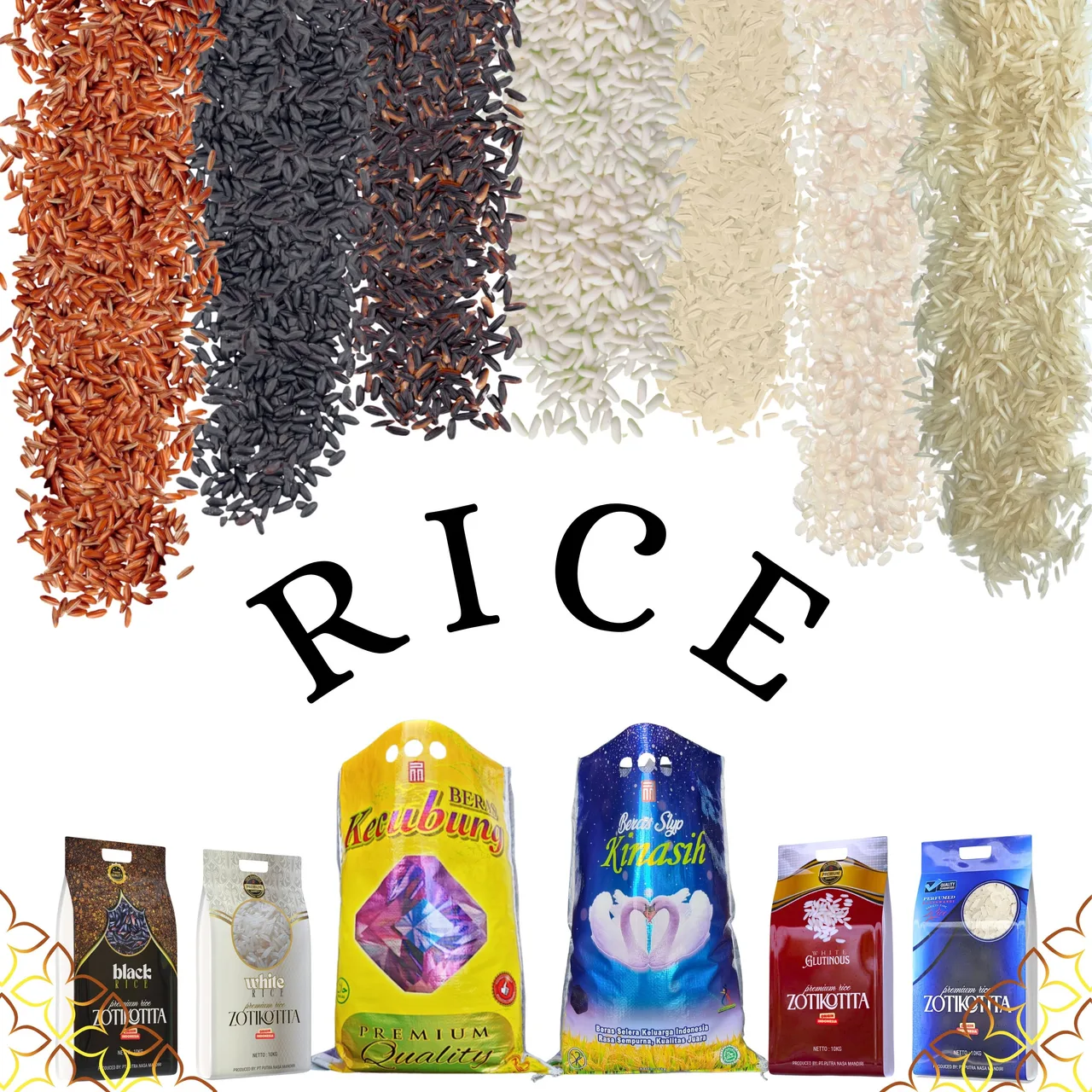
Review the rice range, compare basmati rice and jasmine rice, or send your volume, packing, port and Incoterm through the contact form.
Frequently asked questions
Is basmati rice the same as jasmine rice?
No. Both are aromatic long-grain rices, but they have different origins, aroma and cooked texture.
Which rice is stickier?
Jasmine usually cooks softer and slightly stickier. Basmati usually stays firmer and more separate.
Can you supply both types?
Availability depends on the current rice range. Check the listed products and confirm the origin and grade with the export team.
What should I include in a rice enquiry?
Include the variety or type, origin if required, grain length, broken percentage, volume, packing, destination port and preferred Incoterm.