Buying spices from Indonesia is easier when the product, specification and documents are clear before price is discussed. This checklist covers the points that usually decide whether a shipment arrives as expected.
Quick summary
- Define the product, form and grade before asking for a quotation.
- Ask for a written specification and a lot-specific certificate of analysis.
- Confirm packing, labels and import documents before booking freight.
- Compare Incoterms, not only the price per kilogram.
1. Define the product before you ask for a price
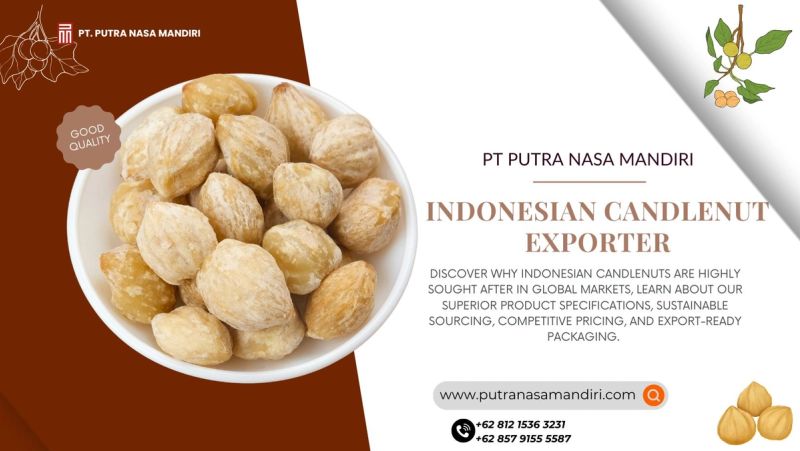
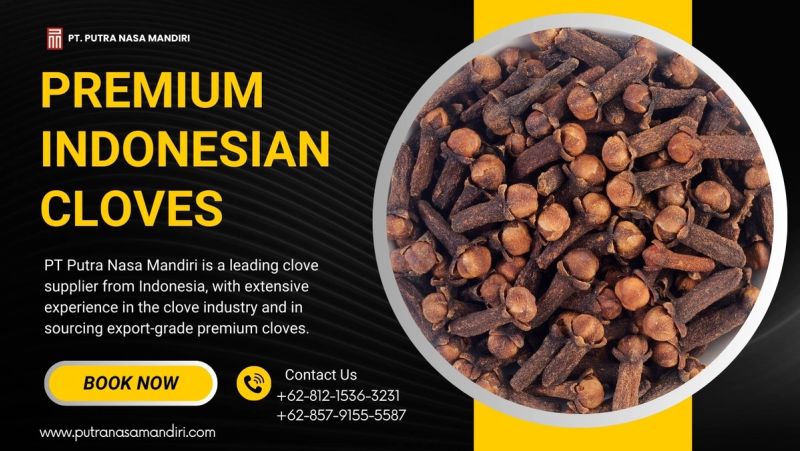
“Cloves” or “pepper” is not a specification. Start with the product name, botanical name, form and intended use. Whole buds, stems and ground clove are different products. The same applies to whole candlenut and powder, or whole pepper and cracked pepper.
Write down the form, grade, cut size, grind or mesh, and the end use. This lets the supplier quote the product you can actually process.
2. Ask for a written specification
A useful specification covers the points your factory or customer will check. Ask for limits, not vague claims such as “premium quality”.
- Moisture and water activity where relevant.
- Foreign matter, defects, broken pieces or shell fragments.
- Colour, aroma and other sensory limits.
- Microbiology, pesticide residue and heavy metals, if required.
- Volatile oil for products such as cloves, where the buyer needs it.
- Packaging and net weight.
Ask for a certificate of analysis for the actual lot. A generic product sheet is useful for screening, but it does not prove what is in the container.
3. Confirm packing and labels
Spices absorb moisture and odours. The inner liner, bag or carton, and container condition all affect the arrival quality. Confirm the packing your warehouse can handle.
- Food-grade liner and sealed inner bag.
- Bag, carton or drum size and net weight.
- Pallet pattern and carton strength.
- Lot code and production date.
- Private-label artwork, claims and destination-language labels.
4. Check import documents before booking
Document requirements depend on the product and destination. Ask your import broker for the exact list before production starts. Typical documents include:
- Commercial invoice and packing list.
- Bill of lading or airway bill.
- Certificate of origin.
- Phytosanitary certificate.
- Laboratory report or certificate of analysis.
- Health, halal, kosher or organic certificate, if required.
- Pre-shipment inspection report, if your buyer requires one.
5. Compare shipping terms and Incoterms
Ask for FOB, CFR or CIF prices only after the product and packing are fixed. Confirm the named port, shipment period and who arranges insurance. For LCL cargo, ask how cartons are protected during consolidation.
Check the lead time from order confirmation to dispatch. Include production, testing, packing and document preparation, not only transit time.
6. Sample and approve the lot
Ask for a sample before the first bulk order. For repeat orders, agree how the lot will be approved. Options include a sealed retained sample, a third-party test or a pre-shipment inspection.
Put the approval step in writing. “Similar to last shipment” is not a specification.
7. Send a clear RFQ
A short RFQ with the right details gets a more useful reply. Include:
- Product, form and grade.
- Volume per shipment and expected annual volume.
- Packing and label requirements.
- Quality tests and certificates.
- Destination country and port.
- Preferred Incoterm and shipment period.
Common red flags
- A price with no specification or packing details.
- A certificate that is not tied to the lot or shipment.
- No clear answer on origin, grade or lead time.
- Pressure to pay outside the agreed contract terms.
- Documents that do not match the product or destination.
Plan the first order
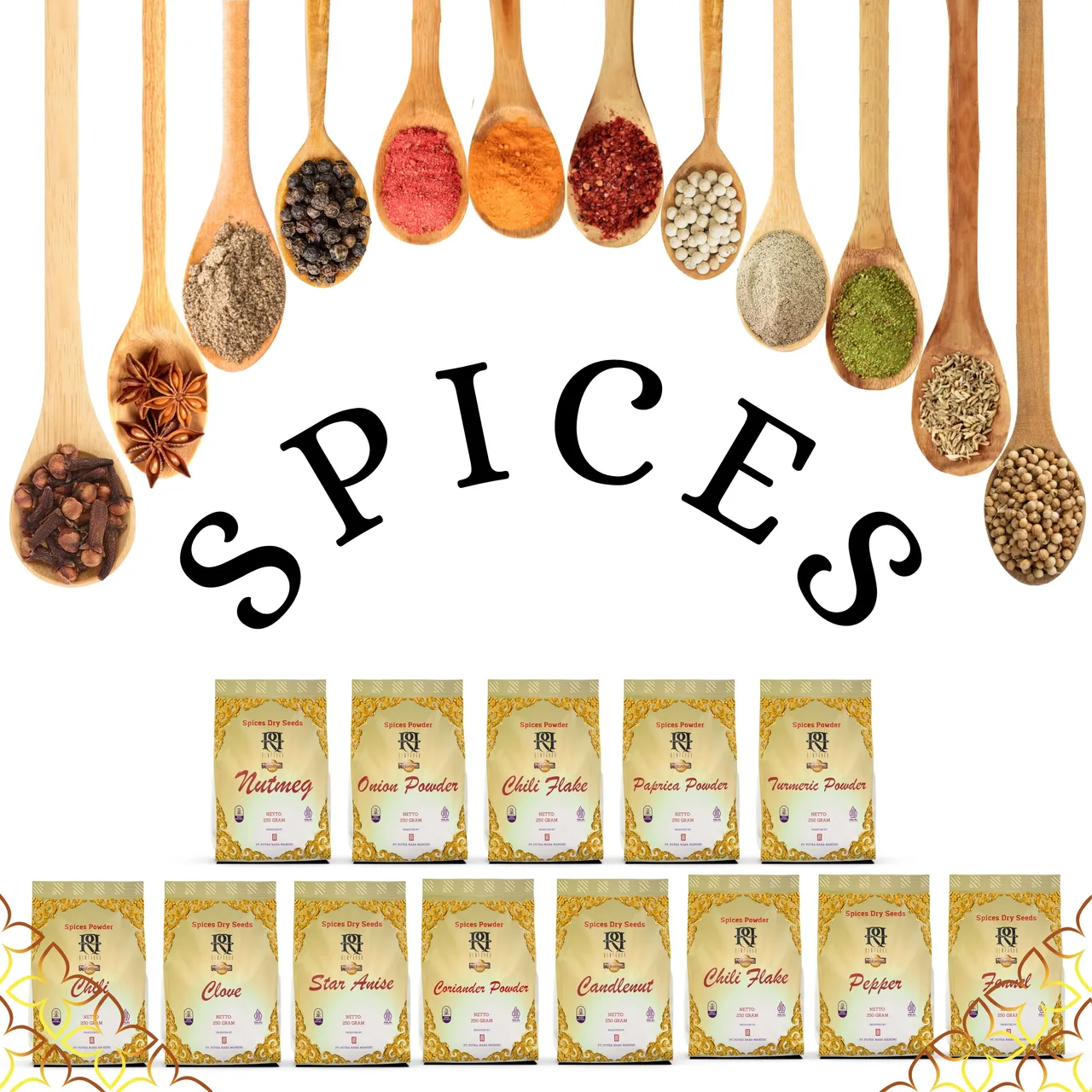
Review the Indonesian spice range, read the bulk spice sourcing guide, or send your product, volume, packing, port and Incoterm through the contact form.
Frequently asked questions
What should I ask a spice supplier first?
Ask for the product form, grade, available packing and a written specification. Then ask for a quotation based on your volume and destination.
Do I need a certificate of analysis?
It depends on your market and customer. For many food and ingredient buyers, a lot-specific certificate is part of the approval process.
Which Incoterm should a first-time importer use?
That depends on your freight experience and risk tolerance. Ask your freight forwarder to compare FOB, CFR and CIF for your route before you choose.
Can I combine several spices in one shipment?
Often this can be discussed. Send the product list, quantities and packing so the supplier can confirm what is workable.