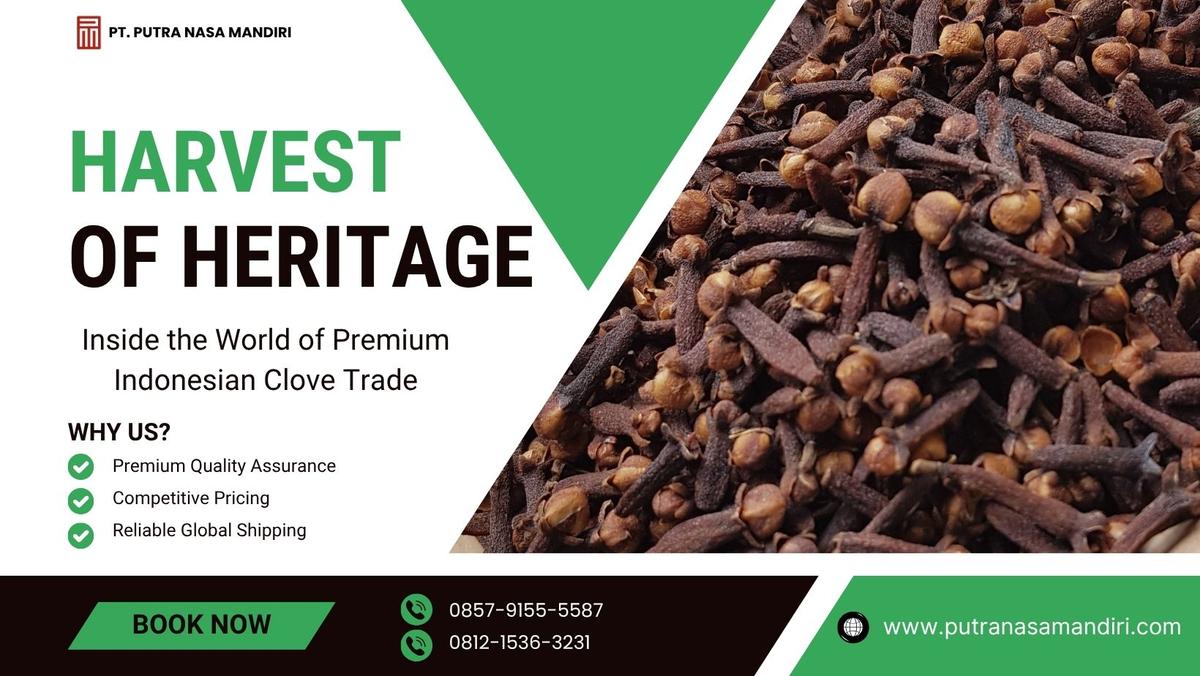
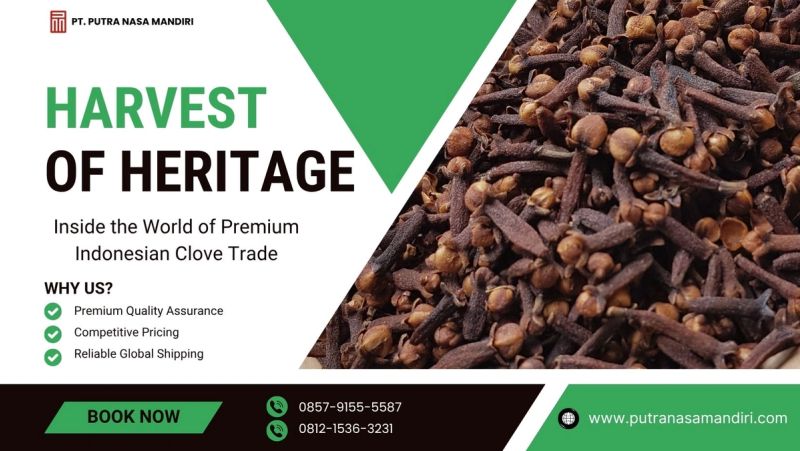
The scent of cloves is unforgettable. Warm, rich, slightly sweet, and deeply comforting — it instantly reminds many people of traditional kitchens, herbal remedies, festive dishes, and luxury spice blends. But behind that tiny dried flower bud lies a story that stretches across oceans, cultures, and generations.
Indonesia has long been recognized as one of the world’s largest and most respected clove producers. In many parts of the country, clove farming is more than just agriculture. It is a family tradition passed down through generations, deeply connected to local identity and economic survival.
Today, the premium Indonesian clove trade has become a global business that supplies food industries, tobacco manufacturers, essential oil companies, herbal medicine brands, and gourmet spice markets around the world. Yet many buyers still do not fully understand what makes Indonesian cloves so special.
In this article, we will explore the fascinating journey of premium Indonesian cloves — from village farms to international export markets — and discover why these aromatic spice buds continue to dominate global demand.
Why Indonesian Cloves Are Famous Worldwide
Indonesia’s tropical climate creates the perfect environment for growing high-quality cloves. Rich volcanic soil, consistent rainfall, and warm temperatures help produce cloves with strong aroma, high oil content, and deep flavor.
Unlike mass-produced low-grade spices, premium Indonesian cloves are carefully harvested and naturally dried to maintain their quality.
Some of the most popular clove-producing regions include:
- Sulawesi
- Maluku Islands
- Java
- Sumatra
These regions are known for producing cloves with:
- High essential oil concentration
- Dark brown color
- Strong fragrance
- Low moisture content
- Long shelf life
For international buyers, these qualities matter because they directly affect product performance in food production, medicine, cosmetics, and tobacco industries.
The Human Story Behind Every Harvest
One thing that makes the Indonesian clove trade unique is the human connection behind it.
In many villages, entire families participate during harvest season. Farmers climb tall clove trees by hand, carefully picking unopened flower buds before they bloom. Timing is extremely important because harvesting too early or too late can reduce quality.
Many farmers still use traditional drying methods under natural sunlight. This process may take several days, but it helps preserve the cloves’ rich aroma and oil levels.
A spice exporter from Surabaya once explained:
“Good cloves are not rushed. Quality comes from patience.”
That simple statement reflects the philosophy behind premium spice production in Indonesia.
Understanding Premium Clove Grades
Not all cloves are the same. Buyers in international markets usually look for specific grades depending on their industry needs.
1. Handpicked Premium Cloves
These are the highest-quality cloves available.
Features include:
- Uniform size
- Strong aroma
- Minimal stems
- Low moisture
- Rich oil content
These are commonly exported to luxury spice markets and essential oil manufacturers.
2. FAQ Grade Cloves
FAQ stands for “Fair Average Quality.”
These cloves are widely used for:
- Food manufacturing
- Blended spice production
- Tobacco processing
Although more affordable, they still maintain decent quality standards.
3. Clove Stems and Clove Powder
Nothing goes to waste in the clove industry.
Clove stems are often used for extracting clove oil, while clove powder is commonly used in seasoning products and herbal formulations.
This full utilization helps maximize value for farmers and exporters alike.
The Growing Global Demand for Indonesian Cloves
The demand for Indonesian cloves continues to rise globally. Several industries are driving this growth.
Food and Beverage Industry
Cloves are widely used in:
- Spice blends
- Sauces
- Tea products
- Bakery items
- Processed foods
Consumers today are increasingly looking for authentic flavors, and cloves provide a natural depth that artificial ingredients cannot easily replace.
Essential Oil and Wellness Industry
Clove oil has become extremely popular in wellness and personal care products.
It is often found in:
- Toothpaste
- Massage oils
- Herbal medicine
- Aromatherapy
- Skin care products
The strong antibacterial properties of clove oil also make it valuable in pharmaceutical manufacturing.
Tobacco Industry
Indonesia’s famous kretek cigarette industry remains one of the biggest consumers of cloves worldwide.
The crackling sound and signature aroma of kretek cigarettes come directly from clove blends, creating a unique smoking experience recognized globally.
Challenges in the Clove Export Business
While the industry offers huge opportunities, exporters also face several challenges.
Climate Change
Unpredictable weather patterns can affect harvest quality and production volume. Heavy rain during drying season can reduce clove quality significantly.
Price Fluctuation
Global spice prices change frequently based on supply, demand, and harvest conditions. Exporters and farmers must carefully manage pricing risks.
Quality Standards
International buyers now expect strict compliance with:
- Moisture standards
- Food safety certifications
- Clean processing
- Traceability systems
Exporters who fail to maintain consistency often lose long-term buyers.
How Premium Exporters Build Trust
Successful Indonesian spice exporters understand that modern buyers want more than just products. They want reliability.
Professional exporters focus on:
- Transparent communication
- Consistent product quality
- Proper packaging
- Timely shipping
- Export certifications
- Long-term partnerships
Many premium suppliers also invest in direct farmer relationships to ensure better quality control from the source.
This approach not only improves product consistency but also supports local farming communities.
Tips for International Buyers Sourcing Cloves
If you are planning to import cloves from Indonesia, here are a few practical tips.
Verify Product Samples
Always request samples before placing bulk orders. Aroma, color, and moisture level reveal a lot about quality.
Check Export Certifications
Reliable exporters should provide documentation such as:
- Phytosanitary certificates
- Fumigation certificates
- Certificate of origin
- Laboratory test reports
Understand Shipping Terms
Clarify whether pricing includes:
- FOB (Free on Board)
- CIF (Cost, Insurance, Freight)
- Packaging costs
- Insurance
Small misunderstandings can create expensive problems later.
Build Long-Term Relationships
The spice trade still depends heavily on trust and reputation. Long-term partnerships often result in better pricing, priority supply, and smoother transactions.
The Future of Indonesian Clove Trade
The future looks promising for Indonesia’s premium clove industry.
As global consumers move toward natural ingredients, organic products, and authentic flavors, cloves are becoming more valuable than ever.
Technology is also helping exporters improve quality control, logistics, and global communication. Many Indonesian suppliers are now expanding into digital trade platforms and international B2B marketplaces.
At the same time, sustainable farming practices are gaining attention. Buyers increasingly prefer suppliers who support ethical sourcing and environmentally responsible agriculture.
This shift may create even bigger opportunities for premium Indonesian clove exporters in the coming years.
Conclusion
The story of Indonesian cloves is not just about spices. It is about heritage, craftsmanship, family traditions, and global trade built on trust.
From remote tropical farms to international markets, premium Indonesian cloves continue to represent quality, authenticity, and cultural richness. Their powerful aroma carries generations of knowledge and hard work.
For businesses searching for reliable spice sourcing, Indonesia remains one of the world’s most trusted origins for premium cloves.
Whether you are a food manufacturer, spice distributor, wellness brand, or international importer, understanding the value behind Indonesian cloves can help you make smarter sourcing decisions and build stronger supplier relationships.
The next time you smell cloves in tea, desserts, or spice blends, remember — you are experiencing a small piece of Indonesia’s agricultural heritage.
FAQ Section
Why are Indonesian cloves considered premium quality?
Indonesian cloves are known for their strong aroma, high oil content, rich flavor, and excellent drying quality due to the country’s tropical climate and fertile volcanic soil.
What industries use Indonesian cloves?
Indonesian cloves are widely used in food production, tobacco manufacturing, essential oil extraction, herbal medicine, cosmetics, and wellness products.
What is the difference between premium cloves and FAQ cloves?
Premium cloves are carefully selected for size, aroma, and oil content, while FAQ cloves are more affordable and used for large-scale industrial applications.
How are cloves harvested in Indonesia?
Cloves are usually handpicked before flowering and naturally dried under sunlight to preserve aroma and quality.
What should buyers check before importing cloves?
Buyers should verify product samples, moisture levels, certifications, packaging quality, and shipping terms before placing bulk orders.