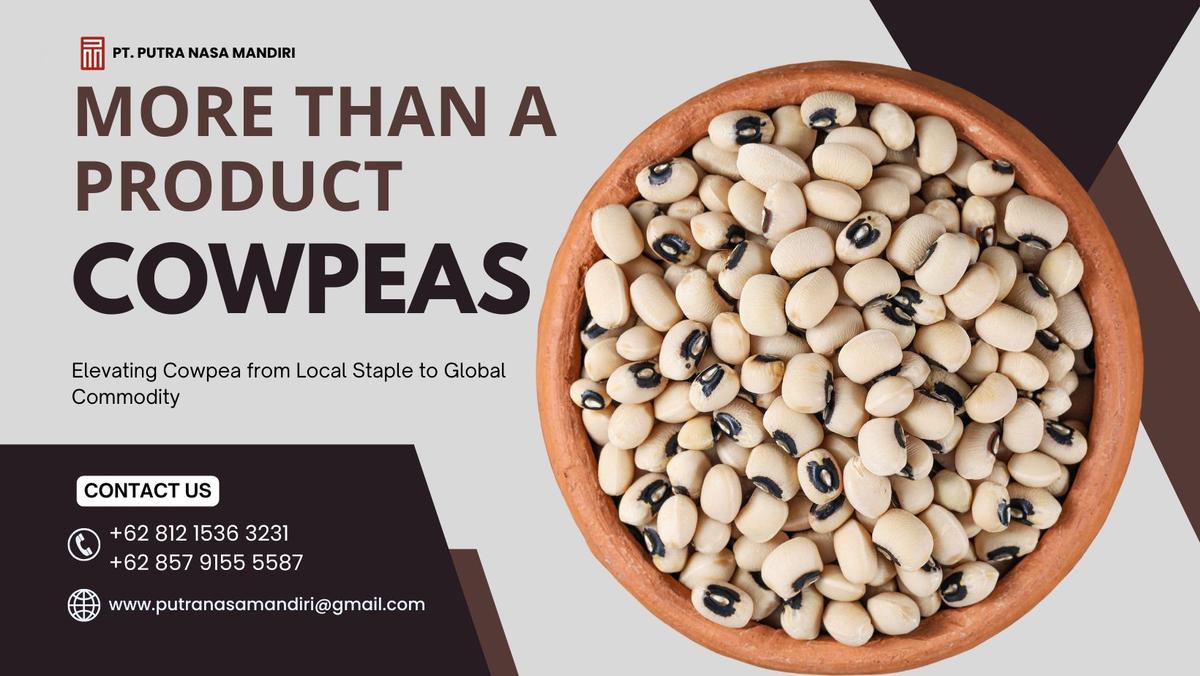
In the world of agriculture, not all legumes are created equal. Cowpea — locally known in Indonesia as kacang tolo — falls into the latter category.
In many rural homes across Africa and Asia, cowpea has always been more than just food. It is a survival crop, a family meal, and often a farmer’s safety net during difficult seasons. Yet outside these regions, many people barely recognize its name.
That is beginning to change.
As the world searches for climate-smart crops, affordable protein sources, and sustainable agriculture solutions, cowpea is quietly stepping into the spotlight. Farmers, food companies, nutrition experts, and governments are now realizing that this resilient legume could become a major player in global food markets.
The journey of cowpea from a local staple to a global commodity is not just about agriculture. It is about economic opportunity, food security, and creating a more sustainable future.
What Is Cowpea and Why Does It Matter?
Cowpea, often called black-eyed pea in some regions, is a drought-resistant legume widely cultivated in Africa, India, and parts of Latin America.
What makes cowpea special is its incredible adaptability. While many crops struggle in harsh weather conditions, cowpea can survive with limited rainfall and poor soil quality. For small-scale farmers, especially in dry regions, this makes it a dependable source of income and nutrition.
Cowpea is packed with:
- Protein
- Fiber
- Iron
- Vitamins
- Essential minerals
For millions of low-income families, it serves as an affordable alternative to expensive animal protein.
The Growing Global Demand for Plant-Based Foods
One major reason cowpea is gaining international attention is the rapid growth of plant-based eating.
Consumers worldwide are becoming more health-conscious. Many are reducing meat consumption and looking for nutritious plant proteins that are sustainable and affordable.
Cowpea fits perfectly into this trend.
Food manufacturers are now exploring cowpea-based products such as:
- Protein powders
- Plant-based meat alternatives
- Healthy snacks
- Gluten-free flour
- Ready-to-eat meals
Unlike heavily processed ingredients, cowpea offers a more natural and nutrient-rich option.
In countries where food inflation is rising, affordable protein sources are becoming increasingly important. Cowpea could help bridge that gap.
Why Farmers Love Growing Cowpea
Talk to farmers in drought-prone regions, and you will quickly understand why cowpea is valued so highly.
It Survives Tough Conditions
Climate change is creating unpredictable farming seasons. Crops that require heavy irrigation are becoming risky investments.
Cowpea needs less water compared to many commercial crops, making it attractive for sustainable farming systems.
It Improves Soil Health
Cowpea naturally fixes nitrogen in the soil. This means farmers can reduce dependence on expensive chemical fertilizers.
As fertilizer prices continue to rise globally, this benefit alone can significantly improve farm profitability.
Multiple Income Opportunities
Farmers can sell:
- Dry grains
- Fresh pods
- Leaves
- Animal fodder
- Processed cowpea products
This creates multiple streams of income from a single crop.
Challenges Preventing Cowpea From Becoming a Global Commodity
Despite its enormous potential, cowpea still faces several barriers.
Limited Processing Infrastructure
In many producing countries, farmers lack access to modern storage and processing facilities. Poor infrastructure often leads to post-harvest losses.
A farmer may grow a healthy crop but still lose profits because the beans spoil before reaching the market.
Weak Global Branding
Unlike soybeans or quinoa, cowpea has not yet built a strong international identity.
Many consumers outside Africa and Asia are unfamiliar with its nutritional value and culinary versatility.
Supply Chain Problems
Export systems for cowpea are still developing in several countries. Inconsistent quality standards and limited logistics make international trade more difficult.
Low Investment
Large-scale investors have historically focused on crops like wheat, corn, and soybeans. Cowpea has received far less funding for research, marketing, and product innovation.
How Cowpea Can Become a Global Success Story
The good news is that the opportunity is massive.
With the right strategies, cowpea could become one of the world’s most valuable sustainable crops.
Invest in Food Innovation
Food companies should create modern, attractive cowpea products for younger consumers.
For example:
- Cowpea pasta
- Protein bars
- Vegan burgers
- Instant soups
- Healthy chips
People are more likely to adopt new foods when they are convenient and easy to prepare.
Improve Farmer Education
Training farmers in:
- Better harvesting methods
- Storage techniques
- Pest management
- Export quality standards
can dramatically improve productivity and profits.
Strengthen Export Systems
Governments and agricultural organizations need to improve transportation, packaging, and international trade systems.
Reliable supply chains build trust with global buyers.
Promote Cowpea Through Digital Marketing
Social media, food influencers, and nutrition experts can help introduce cowpea to international audiences.
Today, a single viral recipe video can transform demand for a food product overnight.
The Role of Technology in Cowpea Expansion
Modern agriculture technology is also changing the future of cowpea farming.
Farmers now use:
- Mobile farming apps
- Weather prediction tools
- AI-powered crop monitoring
- Smart irrigation systems
These technologies help reduce risks and improve yields.
Digital marketplaces are also allowing small farmers to connect directly with buyers, reducing dependence on middlemen.
This creates better pricing opportunities and fairer profits.
Real-Life Example: Africa’s Cowpea Economy
Several African countries are already seeing the economic value of cowpea.
Nigeria, one of the largest producers of cowpea globally, relies heavily on the crop for food security and rural employment. Markets selling cowpea products support thousands of small businesses, traders, and processors.
In urban areas, cowpea-based street foods are becoming increasingly popular because they are affordable and filling.
This local success could easily scale to international markets with stronger branding and investment.
Why Consumers Should Care About Cowpea
Cowpea is not just important for farmers. It matters for consumers too.
Here’s why:
Health Benefits
Cowpea supports:
- Heart health
- Digestion
- Weight management
- Muscle growth
Its high fiber and protein content make it ideal for healthy diets.
Sustainable Food Choice
Compared to many animal protein sources, cowpea has a much smaller environmental footprint.
It requires less water and fewer chemical inputs.
Affordable Nutrition
As food prices rise globally, nutrient-dense foods that remain affordable will become increasingly valuable.
Cowpea checks both boxes.
Actionable Tips for Businesses Interested in Cowpea
If you are a food entrepreneur, investor, or agribusiness owner, here are practical ways to enter the cowpea market:
Start Small With Niche Products
Focus on one category such as healthy snacks or protein flour.
Build a Strong Story
Consumers connect emotionally with sustainable and farmer-friendly products.
Target Health-Conscious Audiences
Fitness communities and vegan consumers are already looking for plant-based alternatives.
Use E-Commerce Platforms
Online marketplaces can help small brands reach international customers quickly.
Collaborate With Farmers
Direct sourcing improves quality and creates fair-trade opportunities.
Conclusion
Cowpea has spent generations feeding local communities quietly and reliably. But the world is finally starting to notice what farmers have known for decades.
This crop is resilient, nutritious, sustainable, and economically promising.
In a time when global agriculture faces serious challenges from climate change, food insecurity, and rising costs, cowpea offers a practical solution with enormous untapped potential.
Transforming cowpea from a local staple into a global commodity will require investment, innovation, and awareness. But the foundation is already strong.
The future of food may not belong only to trendy superfoods. It may also belong to humble crops like cowpea that have been nourishing communities all along.
Now is the perfect time for farmers, businesses, governments, and consumers to invest in the future of cowpea.
FAQ Section
What is cowpea commonly known as?
Cowpea is commonly known as black-eyed pea in many countries, although several varieties exist.
Why is cowpea considered climate-smart?
Cowpea requires less water and can survive in drought-prone conditions, making it ideal for regions affected by climate change.
Is cowpea healthy?
Yes. Cowpea is rich in protein, fiber, iron, and essential nutrients that support overall health.
Which countries produce the most cowpea?
Nigeria, Niger, Burkina Faso, and India are among the largest producers of cowpea.
Can cowpea become a profitable export crop?
Absolutely. With better branding, processing, and global marketing, cowpea has strong potential in international food markets.
Is cowpea suitable for vegan diets?
Yes. Cowpea is an excellent plant-based protein source for vegetarian and vegan diets.