Take a moment and think about the smell of freshly baked cinnamon rolls or a warm cup of chai on a rainy evening. That sweet, woody aroma instantly feels comforting, doesn’t it? What many people don’t realize is that cinnamon is much more than just a delicious kitchen spice. For centuries, this humble brown powder has been used in traditional medicine, beauty routines, and even religious ceremonies around the world.
Today, cinnamon continues to gain attention for its potential health benefits, rich flavor, and versatility. Whether you sprinkle it on oatmeal, add it to coffee, or use it in savory dishes, cinnamon has a way of making food feel warm and satisfying.
In this blog, we’ll explore everything you need to know about cinnamon — from its origins and health benefits to practical ways you can include it in your daily routine.
What Is Cinnamon?
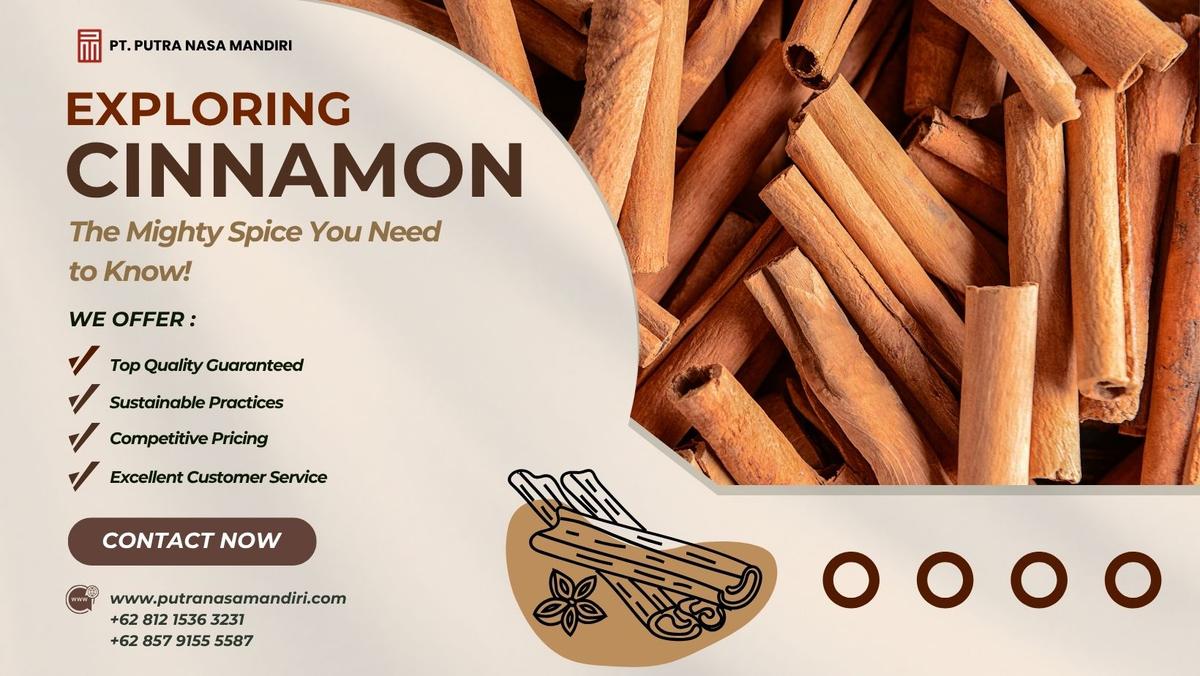
Cinnamon is a spice made from the inner bark of trees belonging to the Cinnamomum family. Once the bark is harvested and dried, it curls into the familiar cinnamon sticks you often see in stores.
There are two main types of cinnamon:
1. Ceylon Cinnamon
Often called “true cinnamon,” Ceylon cinnamon has a lighter flavor and is considered higher quality. It’s commonly produced in countries like Sri Lanka.
2. Cassia Cinnamon
This is the type most supermarkets sell. It has a stronger taste and darker color. While it’s more affordable, it should be consumed in moderation because it contains higher levels of coumarin.
Most people don’t even realize they’ve probably been using Cassia cinnamon their whole lives!
The Fascinating History of Cinnamon
Cinnamon has been treasured for thousands of years. Ancient Egyptians used it during embalming rituals, while traders in the Middle Ages considered it more valuable than gold in some regions.
In ancient times, owning spices like cinnamon was a sign of wealth and status. Kings and wealthy merchants often gifted cinnamon as a luxury item.
It’s amazing to think that the same spice sitting in your kitchen today once traveled through dangerous trade routes and royal markets.
Health Benefits of Cinnamon
One reason cinnamon remains so popular is its impressive list of potential health benefits.
Rich in Antioxidants
Cinnamon contains powerful antioxidants that help protect the body from oxidative stress caused by free radicals.
In simple terms, antioxidants help your body stay healthier and may support long-term wellness.
May Help Control Blood Sugar
This is one of the most talked-about benefits of cinnamon. Some studies suggest cinnamon may improve insulin sensitivity and help stabilize blood sugar levels.
Many people with busy lifestyles now add cinnamon to their morning coffee or smoothies instead of extra sugar.
Simple Tip:
Try sprinkling cinnamon over:
- Oatmeal
- Yogurt
- Coffee
- Tea
- Fruit bowls
It adds flavor naturally without adding extra calories.
Supports Heart Health
Research suggests cinnamon may help reduce certain risk factors linked to heart disease, such as:
- High cholesterol
- High triglycerides
- Blood pressure issues
Of course, cinnamon is not a miracle cure. But when combined with a healthy lifestyle, it can be a smart addition to your diet.
Anti-Inflammatory Properties
Inflammation is your body’s natural response to injury or infection. However, chronic inflammation can contribute to health problems.
Cinnamon contains compounds that may help reduce inflammation naturally.
This is one reason why many traditional wellness systems have used cinnamon for generations.
Cinnamon in Everyday Life
One thing people love about cinnamon is how easy it is to use.
In Drinks
Cinnamon works beautifully in:
- Coffee
- Hot chocolate
- Chai tea
- Smoothies
- Protein shakes
A pinch of cinnamon can completely transform a boring drink into something comforting and flavorful.
In Cooking
Cinnamon isn’t only for desserts.
It pairs surprisingly well with savory foods like:
- Rice dishes
- Roasted vegetables
- Chicken recipes
- Curries
- Soups
Middle Eastern and Indian cuisines often use cinnamon in savory cooking to create depth and warmth.
In Baking
This is where cinnamon truly shines.
Popular cinnamon treats include:
- Cinnamon rolls
- Apple pie
- Banana bread
- Cookies
- Pancakes
The smell alone can make a house feel cozy and welcoming.
Can Cinnamon Help With Weight Loss?
Let’s be realistic here.
Cinnamon alone will not magically burn fat overnight. However, it may support weight management indirectly by:
- Reducing sugar cravings
- Helping control appetite
- Supporting stable blood sugar levels
If you replace sugary toppings with cinnamon, you may naturally consume fewer calories over time.
That’s a simple but practical lifestyle change.
How Much Cinnamon Should You Consume?
Moderation is important.
Most experts suggest small daily amounts are safe for healthy adults. Excessive consumption — especially of Cassia cinnamon — may cause issues because of coumarin content.
Safe Ways to Enjoy Cinnamon:
- ½ teaspoon in coffee
- Sprinkled on oatmeal
- Added to smoothies
- Mixed into yogurt
Balance is always key.
Choosing High-Quality Cinnamon
Not all cinnamon is equal.
When shopping, look for:
- Organic options
- Fresh aroma
- Bright brown color
- Proper labeling
If possible, choose Ceylon cinnamon for regular daily use.
Fun Facts About Cinnamon
Here are a few interesting facts you may not know:
- Cinnamon was once more valuable than silver in certain regions.
- Ancient doctors used cinnamon in traditional remedies.
- Cinnamon trees can grow up to 60 feet tall.
- The spice is naturally sweet without containing sugar.
Pretty impressive for a simple kitchen ingredient!
Simple Cinnamon Recipes to Try
Cinnamon Honey Tea
Ingredients:
- Warm water
- 1 teaspoon honey
- ½ teaspoon cinnamon
Mix together and enjoy during cold weather.
Cinnamon Oatmeal Bowl
Add cinnamon to:
- Oats
- Banana slices
- Almonds
- Honey
This makes a filling and flavorful breakfast.
Conclusion
Cinnamon is one of those rare ingredients that combines flavor, history, comfort, and potential health benefits all in one small package.
Whether you enjoy it in tea, desserts, or savory dishes, cinnamon can easily become part of a balanced lifestyle. It’s affordable, versatile, and incredibly easy to use every day.
The next time you open that jar of cinnamon in your kitchen, remember — you’re holding one of the world’s oldest and most treasured spices.
So why not start experimenting with it today?
A simple sprinkle might make your meals healthier, tastier, and a lot more enjoyable.
Frequently Asked Questions (FAQ)
Is cinnamon good for daily use?
Yes, moderate amounts of cinnamon are generally safe for most people when used as part of a balanced diet.
Which cinnamon is healthiest?
Ceylon cinnamon is often considered the healthier option because it contains lower levels of coumarin.
Can cinnamon reduce sugar cravings?
Some people find cinnamon helps make foods taste sweeter naturally, which may help reduce cravings for added sugar.
Is cinnamon good for weight loss?
Cinnamon may support healthy eating habits, but it is not a magic weight-loss solution on its own.
Can I add cinnamon to coffee?
Absolutely! Cinnamon adds warmth and flavor to coffee without extra sugar.